Luxury Everest Base Camp Trek
- Duration
- 12 days
- Difficulty
- Challenging
- Max altitude
- 5,545m
The Luxury Everest Base Camp Trek is a 12-day premium Himalayan journey that pairs the world's most iconic trekking route with five-star comfort. Walk the class...
Highlights
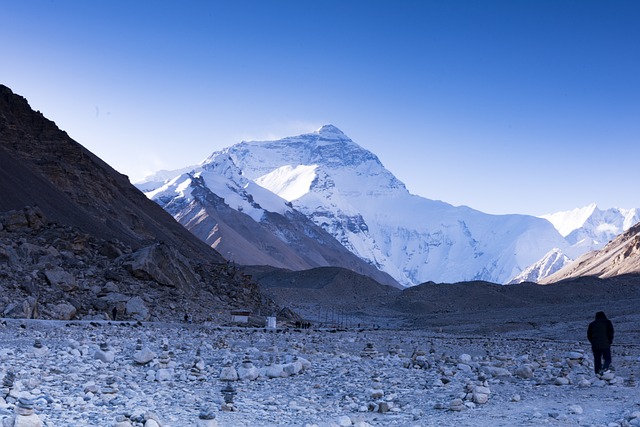
- Stand at Everest Base Camp (5,364m / 17,598ft) beside the Khumbu Icefall, on the very ground where summit expeditions begin
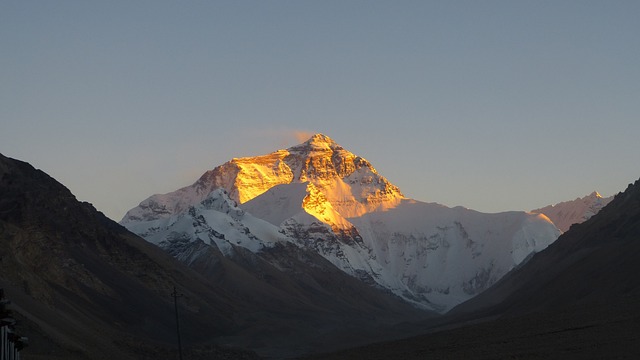
- Climb Kala Patthar (5,545m / 18,192ft) at dawn for the trek's definitive close-up panorama of Everest, Nuptse, and Pumori
- Fly back to Kathmandu by helicopter from the high Khumbu — an unforgettable scenic flight that saves three days of descent
- Sleep in the Khumbu's finest luxury lodges and premium rooms, with heated bedrooms, hot showers, and attached bathrooms wherever available
- Dine well at altitude: multi-course meals, fresh bakery stops in Namche, and unlimited tea and coffee throughout the trek
- Trek with a private, veteran Sherpa guide and generous porter support, keeping your daypack light and your pace personal
- Visit Tengboche Monastery, the spiritual heart of the Khumbu, with Ama Dablam rising behind its golden roof
- Acclimatize properly with two dedicated rest-and-hike days in Namche Bazaar and Dingboche, following best-practice altitude protocols
- Cross the famous Hillary Suspension Bridge and walk historic Sherpa trails through Phakding, Namche, and Pangboche
- Unwind in five-star comfort in Kathmandu before and after the trek, with a leisure day, spa time, and a farewell celebration dinner
Itinerary
View detailed itinerary →| Day | Activity | Walking Hr | Max Altitude |
|---|---|---|---|
| Day 1 | Arrival in Kathmandu | - | 1,400m |
| Day 2 | Fly to Lukla, trek to Phakding | 3-4 hours | 2,860m |
| Day 3 | Trek to Namche Bazaar | 5-6 hours | 3,440m |
| Day 4 | Acclimatization day in Namche Bazaar | 3-4 hours | 3,880m |
| Day 5 | Trek to Tengboche | 5 hours | 3,860m |
| Day 6 | Trek to Dingboche | 5-6 hours | 4,410m |
| Day 7 | Acclimatization day in Dingboche | 3-4 hours | 5,083m |
| Day 8 | Trek to Lobuche | 5 hours | 4,940m |
| Day 9 | Trek to Gorak Shep, visit Everest Base Camp | 7-8 hours | 5,364m |
| Day 10 | Kala Patthar sunrise, helicopter to Kathmandu | 3-4 hours | 5,545m |
| Day 11 | Leisure day in Kathmandu | - | 1,400m |
| Day 12 | Departure | - | - |
Trip details
The Luxury Everest Base Camp Trek is a 12-day premium Himalayan journey that pairs the world's most iconic trekking route with five-star comfort. Walk the classic trail through Sherpa villages, prayer-flag-draped monasteries, and glacial valleys to Everest Base Camp at 5,364m (17,598ft) — then skip the long descent with a breathtaking helicopter flight back to Kathmandu. With the finest lodges in the Khumbu, gourmet dining, private guides, and a carefully paced acclimatization profile, this is Everest as a once-in-a-lifetime experience, not an endurance test.
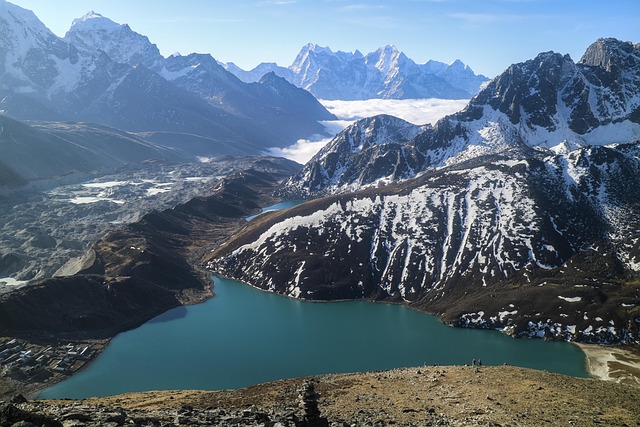
The trail to Everest Base Camp needs no introduction — but the way you experience it can be transformed entirely. This itinerary follows the legendary route pioneered by the 1953 expedition, through the heart of the Khumbu: across swaying suspension bridges over the Dudh Koshi, into the amphitheater town of Namche Bazaar, past the spiritual heart of the region at Tengboche Monastery, and finally along the Khumbu Glacier to base camp itself. What changes is everything around the walking.
Each night you retire to the finest accommodation the Khumbu offers. In the lower valley, that means genuine luxury lodges — think heated bedrooms with attached bathrooms, hot showers, duvets, espresso, and panoramic dining rooms facing the peaks. Higher up, where true luxury lodges thin out, we reserve the best premium rooms available, with heaters, comfortable bedding, and private facilities wherever they exist. Gourmet touches follow you up the mountain: freshly baked goods in Namche, multi-course dinners, and unlimited hot drinks to keep you warm and hydrated.
The trek is fully supported by a private, licensed, English-speaking Sherpa guide with extensive high-altitude experience, plus a dedicated porter team. Safety infrastructure is uncompromising: two built-in acclimatization days, daily pulse-oximeter checks, a comprehensive medical kit, supplemental oxygen carried above 4,000m, and helicopter evacuation coverage coordinated on your behalf if ever needed.
The signature flourish comes at the end. After sunrise on Kala Patthar — the finest viewpoint of Everest's summit pyramid anywhere on the trek — a private helicopter lifts you out of the high Himalaya, retracing eight days of trail in under an hour of jaw-dropping aerial scenery, and delivers you to Kathmandu in time for a spa afternoon and celebration dinner.
Why Choose This Trek
Most trekkers reach base camp exhausted, sleep-deprived, and facing three more days of dusty descent. This itinerary rewrites that experience. By combining the classic ascent — essential for safe acclimatization and for earning the journey — with a helicopter return, you keep every highlight of the walk while eliminating its most repetitive days. The time saved goes into comfort and recovery: a full leisure day in Kathmandu, better rest at altitude, and a schedule that leaves room to actually savor the Khumbu.
The premium lodge network makes a genuine difference to how your body copes with altitude. Warm rooms, proper beds, good food, and hot showers mean better sleep and stronger recovery — which translates directly into higher summit-day energy and a lower risk of altitude problems. Luxury here isn't indulgence for its own sake; it is the smartest way to trek high.
Accommodation and Food
In Kathmandu you stay at a five-star hotel with breakfast, spa access, and airport transfers by private vehicle. On the trail, nights in the lower Khumbu — Phakding, Namche, and Tengboche — are spent in true luxury lodges with heated rooms, attached bathrooms, hot showers, and fine dining rooms with mountain panoramas. Above Dingboche, where no five-star infrastructure exists, we secure the best premium rooms in each settlement, prioritizing warmth, cleanliness, and private facilities wherever they are offered.
Food is a highlight rather than fuel. Expect hearty breakfasts of eggs, porridge, pancakes, and fresh coffee; trail lunches at carefully chosen stops; and multi-course dinners featuring Sherpa stew, dal bhat, pasta, yak steak, momos, and fresh-baked desserts in the lower valley. Unlimited tea and coffee are included daily, and boiled drinking water keeps you safely hydrated without single-use plastics. Dietary requirements — vegetarian, vegan, gluten-free — are catered for with advance notice.
Includes
- Private airport transfers in Kathmandu (arrival and departure)
- 3 nights' five-star hotel accommodation in Kathmandu with breakfast
- Kathmandu-Lukla flight (or Ramechhap routing in peak season; private heli upgrade available)
- Helicopter return flight from Gorak Shep to Kathmandu (weight-shared; private charter available)
- Luxury lodge accommodation in the lower Khumbu and best-available premium rooms at higher elevations
- All meals during the trek (breakfast, lunch, dinner) with unlimited tea/coffee and boiled drinking water
- Sagarmatha National Park entry permit and Khumbu Pasang Lhamu Rural Municipality permit
- Private, licensed, English-speaking Sherpa guide (salary, insurance, equipment, meals, and lodging included)
- Porter service (1 porter per 2 trekkers, max 20 kg combined)
- Comprehensive medical kit, pulse oximeter, and supplemental oxygen carried above 4,000m
- Four-season sleeping bag, down jacket, and duffel bag (returned after the trek)
- Welcome and farewell dinners in Kathmandu
- Trek completion certificate
- All government taxes and service charges
Excludes
- International airfare to and from Kathmandu
- Nepal entry visa (available on arrival)
- Travel insurance — mandatory, must cover helicopter evacuation and trekking to 6,000m
- Lunch and dinner in Kathmandu outside welcome/farewell dinners
- Personal expenses (laundry, Wi-Fi, battery charging, and hot showers at basic high-altitude teahouses)
- Alcoholic beverages, soft drinks, and bottled water
- Spa treatments and optional sightseeing entrance fees in Kathmandu
- Tips for guide, porters, and drivers (customary but discretionary)
- Extra hotel nights due to early return or flight delays
- Costs arising from events beyond our control (weather, flight cancellations, health issues)
Practical Info
Best Time to Go
Autumn (September–November) delivers the sharpest mountain views of the year with stable weather and daytime temperatures of 8-15°C in the mid-valley; nights above Lobuche fall well below freezing, though heated luxury rooms take the sting out of the cold. Spring (March–May) is expedition season, when base camp transforms into a vibrant tent city preparing for summit bids, with rhododendrons blooming below Namche. Winter treks are possible for cold-tolerant travelers, though some high lodges close, and the summer monsoon (June–August) is not recommended due to rain, cloud, and unreliable Lukla flights.
Is This Trek Right for You?
No mountaineering background is needed — a training block of regular hiking, stair work, or cycling in the two to three months before departure is enough to prepare you. The route suits everyone from fit first-timers to seasoned trekkers celebrating milestone birthdays and honeymoons, and private departures let couples, families, and small groups move at their own pace. If you have pre-existing heart, lung, or blood-pressure conditions, consult your doctor before booking.
Safety and Acclimatization
Sleeping altitudes rise gradually — Namche (3,440m), Tengboche (3,860m), Dingboche (4,410m), Lobuche (4,940m) — with acclimatization hikes in Namche and Dingboche following the "climb high, sleep low" principle. Your guide performs daily pulse-oximeter and wellness checks above 3,000m, carries a full medical kit, and travels with supplemental oxygen for emergencies. Because a helicopter is already built into the itinerary, evacuation logistics are unusually fast on this trip, and your mandatory insurance (covering evacuation to 6,000m) is verified before departure.
The trekking route from Lukla to Everest Base Camp covers approximately 60 km one way; with the helicopter return, your total walking distance is roughly 65 km including acclimatization hikes.
Packing Checklist
- Merino or synthetic base layers (2-3) and trekking shirts
- Mid-weight fleece and insulated down jacket (provided if needed)
- Waterproof/windproof outer shell
- Trekking trousers (2), thermal leggings, and waterproof over-trousers
- Comfortable lodge wear and underwear
- Broken-in waterproof trekking boots and insulated camp shoes
- Warm trekking socks (4-5 pairs) and liner socks
- Lightweight gloves plus insulated mittens
- Warm beanie, sun hat, and buff or balaclava
- Category 3-4 glacier sunglasses
- SPF 50 sunscreen and lip balm with SPF
- Personal medications and blister care
- Water purification backup, hand sanitizer, and wet wipes
- Quick-dry towel and toiletries
- Headlamp with spare batteries and ear plugs
- Passport (6+ months validity) and 4 passport photos
- Insurance certificate showing helicopter-evacuation cover
- Flight details and cash in NPR (last reliable ATMs are in Namche Bazaar)
- 30-40L daypack with rain cover
- 2L insulated water bottles (bladders freeze above Lobuche — bottles recommended)
- Trekking poles, power bank, and camera
- Snacks, journal, and dry bags
Do Not Do
- Don't skip the two scheduled acclimatization days, even if you feel strong
- Don't skip pre-departure training — 8-10 weeks of cardio preparation is recommended
- Don't travel without insurance that covers helicopter evacuation and trekking to 6,000m
- Don't ignore symptoms of altitude sickness — tell your guide immediately
- Don't rely on water bladders above Lobuche; they freeze — carry insulated bottles instead
Customer Reviews
The heated lodges and private guide made this feel like a completely different trek. Comfort at altitude I didn't think was possible.
Charlotte Bennett
Trekked October 2025, United Kingdom
The helicopter flight back over the Khumbu was worth the price alone. A truly once-in-a-lifetime trip.
Robert Hayes
Trekked April 2025, USA
Hot showers and proper beds every night, even close to base camp. Exceeded every expectation.
Sophie Laurent
Trekked November 2024, France
Our private Sherpa guide was outstanding, and the food along the way was genuinely gourmet.
Michael Chen
Trekked March 2025, Singapore
Twelve days that felt indulgent and adventurous at the same time. The farewell dinner in Kathmandu was a lovely touch.
Anna Kowalski
Trekked September 2025, Poland
The extra comfort made a real difference to how I recovered each night at altitude. Would book again.
David Osei
Trekked May 2025, Ghana
Watching sunrise from Kala Patthar and being back in Kathmandu for dinner the same day still feels surreal.
Mei Lin
Trekked October 2024, Malaysia
Every logistical detail was handled — permits, gear, oxygen on standby. I just had to walk and enjoy it.
Ethan Brooks
Trekked April 2025, Canada
The private porters meant we barely carried anything. Best trekking experience of my life.
Olivia Fischer
Trekked November 2025, Austria
Worth every cent for the comfort alone, but the helicopter ride down sealed it as an unforgettable trip.
Rajesh Kumar
Trekked September 2024, India
Frequently Asked Questions
What makes this a "luxury" Everest Base Camp trek?
Three things: accommodation, support, and the exit. You sleep in the Khumbu's best lodges, trek with a private Sherpa guide and full porter support, and return from the high mountains by helicopter instead of retracing the trail for three days.
How long is the trek?
The full itinerary is 12 days, with 9 days in the mountains and 8 days of actual walking. The helicopter return compresses what is normally a 14-16 day round trip without sacrificing any highlight of the ascent.
How high will I go?
You will visit Everest Base Camp at 5,364m (17,598ft) and climb Kala Patthar at 5,545m (18,192ft) for the classic sunrise view of Everest. The highest sleeping altitude is Gorak Shep at 5,164m.
Do I need mountaineering experience?
No. This is a trek, not a climb — no ropes, crampons, or technical terrain. Good fitness and sensible acclimatization are the only requirements, and both are built into the itinerary.
When is the best time to go?
Autumn (September-November) for the clearest skies and most stable weather, or spring (March-May) to see base camp alive with summit expeditions. Both seasons deliver superb views.
Are the luxury lodges available all the way to base camp?
True luxury lodges operate up to roughly Tengboche/Pangboche. Above that, we book the finest premium rooms available in Dingboche, Lobuche, and Gorak Shep, so comfort declines gently rather than suddenly.
Is the helicopter return safe and reliable?
Yes. We work with Kathmandu's most experienced high-altitude helicopter operators, flying weather-permitting morning slots when conditions are calmest. In the rare event weather delays the flight, your guide manages the schedule and alternative plans at no stress to you.
What about altitude sickness?
Our itinerary includes two acclimatization days and conservative altitude gains, and your guide checks oxygen saturation daily above 3,000m. Supplemental oxygen is carried for emergencies, and descent or evacuation is always prioritized over the schedule if symptoms appear.
What permits do I need?
Two: the Sagarmatha National Park entry permit and the Khumbu Pasang Lhamu Rural Municipality permit. Both are arranged by us and included in the trip cost.
Do I need travel insurance?
Yes — it is mandatory and must cover emergency helicopter evacuation and trekking up to 6,000m. We verify every trekker's policy before departure and coordinate directly with insurers if evacuation is ever required.