
Everest Base Camp Trek
- Duration
- 14 days
- Difficulty
- Moderate
- Max altitude
- 5,545m
Everest Trip Planner presents the classic Everest Base Camp Trek revealing the beauty of the Himalayas of Nepal. The journey to the base camp provides you with...
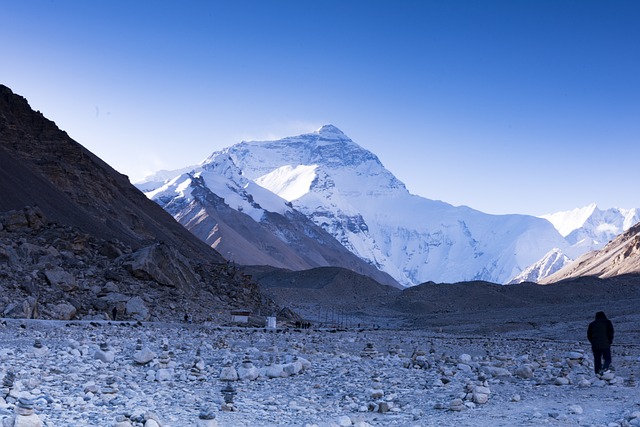
Highlights
- Trek through Sagarmatha National Park, a UNESCO World Heritage Site, alongside the Dudh Koshi river
- Reach Everest Base Camp (5,364m) at the foot of the Khumbu Icefall
- Climb Kala Patthar (5,545m) for the trek's best close-up view of Mount Everest
- Cross high suspension bridges over the Dudh Koshi, including the Hillary Bridge
- Explore Namche Bazaar, the bustling Sherpa capital of the Khumbu
- Visit Tengboche Monastery, the largest monastery in the region
- Walk beneath Ama Dablam, Lhotse, Nuptse, and Thamserku
- Acclimatize properly with two dedicated rest days in Namche and Dingboche
- Experience authentic Sherpa culture and hospitality in teahouses along the trail
- Trek with an experienced English-speaking guide and full porter support
Itinerary
View detailed itinerary →| Day | Activity | Walking Hr | Max Altitude |
|---|---|---|---|
| Day 1 | Arrival in Kathmandu | — | 1,350m |
| Day 2 | Fly from Kathmandu to Lukla and trek to Phakding | 30-45 min flight, 3 hrs trek | Lukla (2,840m/9,318ft) |
| Day 3 | Trek to Namche Bazaar | 7 hrs | 3,440m/11,283ft |
| Day 4 | Acclimatization day in Namche | 3-4 hrs | 3,440m/11,283ft |
| Day 5 | Trek to Tengboche | 5 hrs | 3,860m/12,660ft |
| Day 6 | Trek to Dingboche | 5 hrs | 4,410m/14,464ft |
| Day 7 | Acclimatization day in Dingboche | 4-5 hrs | Nangkartshang Peak (5,083m) |
| Day 8 | Trek to Lobuche | 5 hrs | 4,910m/16,105ft |
| Day 9 | Trek to Everest Base Camp, return to Gorak Shep | 8 hrs | Everest Base Camp (5,364m/17,594ft) |
| Day 10 | Kala Patthar hike, descend to Pheriche | 7 hrs | Kala Patthar (5,545m/18,192ft) |
| Day 11 | Trek to Namche | 7 hrs | 3,440m/11,283ft |
| Day 12 | Trek to Lukla | 7 hrs | 2,840m/9,318ft |
| Day 13 | Fly back to Kathmandu | 30-45 min | Kathmandu (1,400m/4,593ft) |
| Day 14 | The final farewell | — | — |
Trip details
Everest Trip Planner presents the classic Everest Base Camp Trek revealing the beauty of the Himalayas of Nepal. The journey to the base camp provides you with an adventure like never before.
The trek to Everest Base Camp (EBC) usually takes around 14 days through the mountain landscape. Lukla, the starting point of the trek in the Everest region, is reached via a scenic flight from Kathmandu.
As the trek initiates, you come across Sagarmatha National Park while passing through dense forests, pristine rivers, green hills, waterfalls, glaciers, and many more. On top of that, the Sherpa villages like Namche, Tengboche, Dingboche, and more expose you to unique Sherpa culture and their way of life.
As the name of the trek suggests, you are sure to be captivated by the world's highest mountain, Mt Everest. Besides Everest, the majestic views of Ama Dablam, Lhotse, Nuptse, Lobuche, etc. are out of this world.
Moreover, visiting ancient monasteries, witnessing mountain vistas from Kala Patthar, and seeing major landmarks like the Khumbu Glacier up close are the major highlights of the trek.
As for the trekking difficulty, the EBC trek is considered moderately difficult. However, trekkers need to have good physical fitness since one needs to trek above 5,000 metres in altitude. So, it's best to prepare for the trek, especially for beginners.
In addition, the trekking experience can greatly vary depending on the time of year. Spring and autumn are the most preferred seasons due to the fair weather and temperature.
So come join us today! We strive to make every trekking experience a positive one and hope to make it meaningful.
Includes
- Airport transfers in Kathmandu
- Domestic flights (Kathmandu/Manthali to Lukla and back)
- Accommodation in Kathmandu before and after the trek
- Accommodation in teahouses during the trek
- Three meals per day during the trek (breakfast, lunch, dinner)
- English-speaking trekking guide
- Porter service (usually 1 porter for 2 trekkers)
- Necessary trekking permits and national park fees
- First aid kit carried by the guide
- Trekking map
- Duffel bag for porter-carried gear
- Salary for all the staff
- Government taxes and service charges
- Sleeping bag rental
- Down jacket rental
Excludes
- International airfare to and from Kathmandu
- Nepal entry visa fees
- Travel insurance (including emergency helicopter evacuation)
- Personal expenses (phone calls, internet, laundry, etc.)
- Meals in Kathmandu (except those specified as included)
- Extra nights in Kathmandu due to early arrival or late departure
- Alcoholic and cold drinks during the trek
- Hot showers and battery charging at teahouses
- Tips for guides and porters
- Personal trekking gear and clothing
Practical Info
Best Time to Trek
Spring (March-May) and autumn (September-November) offer the most stable weather and the clearest mountain views. Winter is possible for well-prepared trekkers, but some lodges close and temperatures drop well below freezing at night; the summer monsoon (June-August) brings rain, leeches, and unreliable flights and is best avoided.
Fitness and Experience
No technical climbing skills are required, but the trek involves long walking days at altitude. A good level of cardiovascular fitness, built up over 2-3 months of hiking, running, or stair training, makes the trek significantly more enjoyable.
Altitude and Safety
The itinerary includes two acclimatization days, in Namche Bazaar and Dingboche, following the "climb high, sleep low" principle. Your guide monitors for symptoms of altitude sickness throughout the trek, and travel insurance covering emergency evacuation is required.
Packing Checklist
- Broken-in waterproof trekking boots and camp shoes
- Warm base layers, a fleece, and an insulated down jacket
- Waterproof/windproof jacket and trousers
- Thermal gloves and a warm hat
- UV-protection sunglasses and sunscreen
- Trekking poles
- Headlamp with spare batteries
- Sleeping bag rated to -15°C or colder
- Water bottles or a hydration bladder and purification tablets
- First aid kit and personal medication
- Duffel bag for porter-carried luggage and a daypack
- Passport, permits, and travel insurance documents
Do Not Do
- Don't skip the acclimatization days in Namche and Dingboche, even if you're feeling strong
- Don't rush the ascent — altitude sickness can affect trekkers of any fitness level
- Don't drink untreated water — use purification tablets or a filter
- Don't travel without insurance that covers trekking above 5,000m and emergency evacuation
- Don't ignore headaches, nausea, or dizziness — tell your guide immediately
Customer Reviews
Standing at Everest Base Camp was everything I dreamed of and more. Our guide was knowledgeable and made sure we acclimatized properly the whole way up.
Sarah Mitchell
Trekked October 2025, United Kingdom
The sunrise from Kala Patthar was the highlight of my life. Well organized from the airport pickup to the final farewell dinner.
James Carter
Trekked April 2025, Australia
Fourteen days of pure magic. The teahouses were comfortable and the food was surprisingly good even at 4,900m.
Priya Nair
Trekked November 2024, India
Our porter and guide took such good care of us. The acclimatization days in Namche and Dingboche made all the difference.
Lukas Weber
Trekked March 2025, Germany
I was nervous about the altitude but the pace was perfect and the views of Ama Dablam were unforgettable.
Emily Turner
Trekked October 2024, Canada
A well-planned itinerary with knowledgeable Sherpa guides. Reaching base camp felt like a real achievement.
Haruto Sato
Trekked May 2025, Japan
Everest Trip Planner handled every detail perfectly, from permits to the flight to Lukla. Highly recommend.
Isabella Romano
Trekked September 2025, Italy
Tengboche Monastery and the walk through Sagarmatha National Park were incredible. Worth every step.
Daniel Kim
Trekked April 2024, South Korea
The guide's daily health checks put my mind at ease about altitude sickness. An unforgettable two weeks.
Grace O'Connor
Trekked November 2025, Ireland
Kala Patthar at sunrise with Everest right in front of us — I'll remember that moment forever.
Thomas Nguyen
Trekked October 2025, USA
Frequently Asked Questions
How long does the Everest Base Camp Trek take?
Generally, the Everest Base Camp Trek can be accomplished in 12 to 14 days. However, various factors such as the number of acclimatization days, trekking route, weather situation, and a trekker's fitness level can impact the trek's duration.
When is the best time for the Everest Base Camp Trek?
Spring (Mar-May) and autumn (Sep-Nov) are the most suitable times, with stable weather and fair temperatures. Trekking during winter is doable with the right clothing and gear, though colder; trekking during the monsoon is not recommended due to frequent rainfall, floods, and landslides.
Can I obtain a visa for Nepal on arrival?
Yes, you can obtain a visa for Nepal upon arrival at Tribhuvan International Airport, provided you have the necessary documents. Indian citizens don't need a visa. Citizens of a small number of countries, including Nigeria, Ghana, Afghanistan, and Syria, cannot obtain visas on arrival and should check requirements before travelling.
What documents do I need for the trek?
A passport with at least six months' validity, more than two passport-sized photos, a copy of your international flight ticket, and travel insurance.
Do I need prior trekking experience?
The Everest Base Camp Trek is rated as a moderate trek. If you have a good level of physical fitness, no prior trekking experience is needed — though it's best to train physically and mentally if this is your first trek.
What permits are required for the trek?
The Sagarmatha National Park Entry Permit, the Khumbu Pasang Lhamu Rural Municipality Entrance Permit, and the Everest Trek Card.
Are there ATMs or banking facilities on the route?
Only Nepali currency is used throughout the trek, so it's best to withdraw cash while in Kathmandu, where ATMs and money-exchange services are abundant. Namche Bazaar has some ATMs and banking facilities in the lower region, but it's easier to come prepared.
You might also like
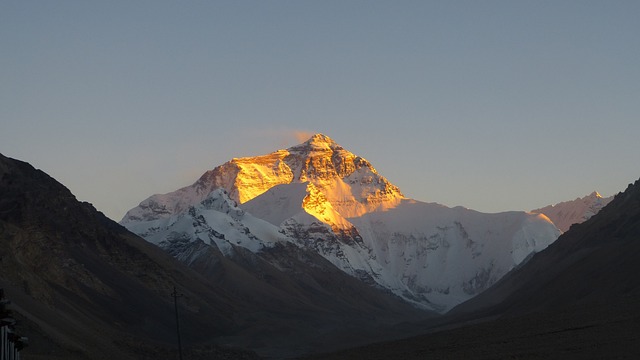
Luxury Everest Base Camp Trek
Price on request
Everest Base Camp Trek with Helicopter Return
Price on request
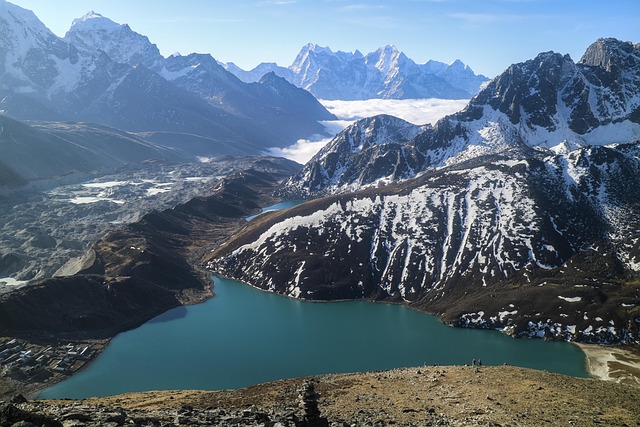
Gokyo Valley Trek
Price on request